


Industrial Dust Filter Fabrics
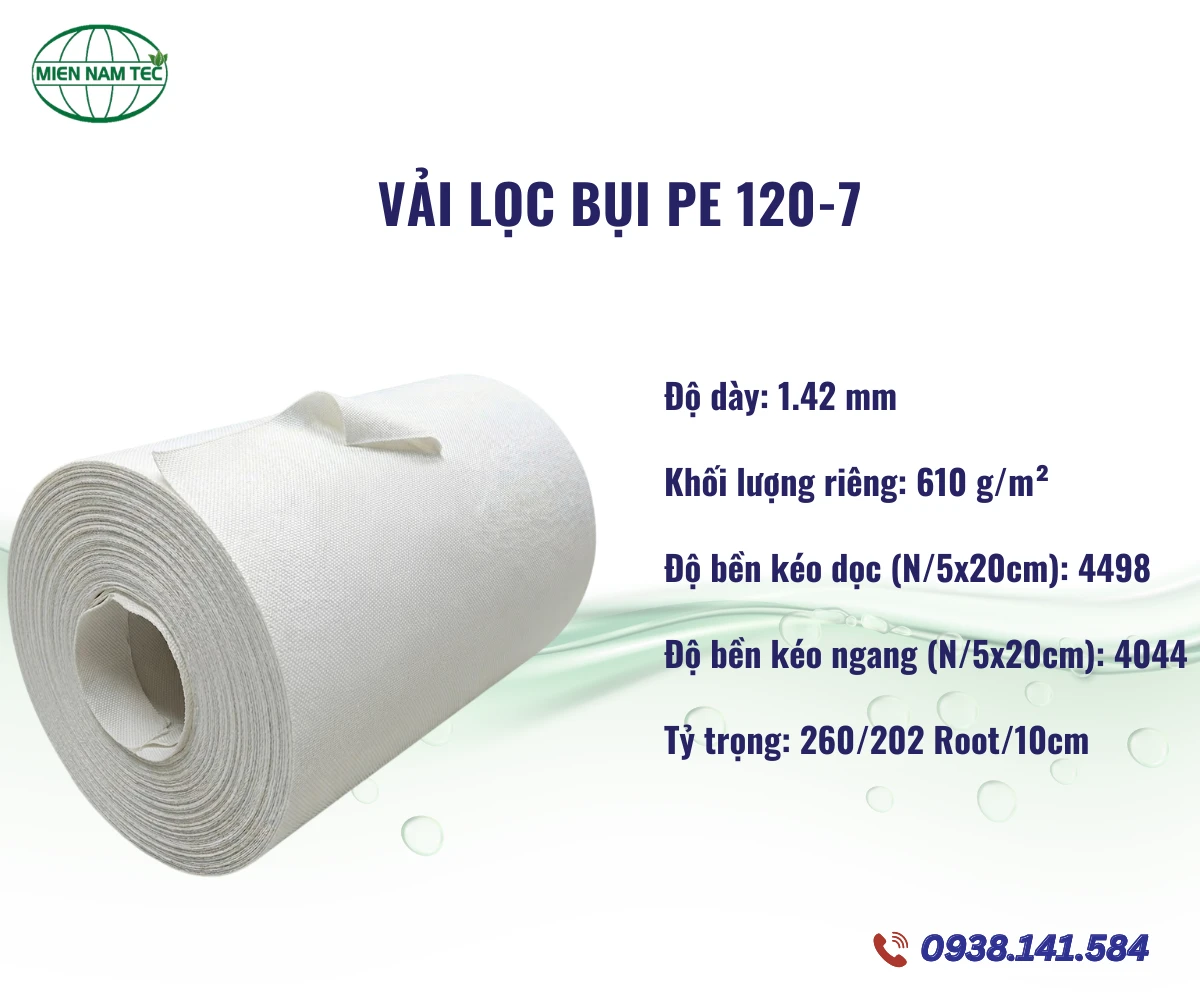
Have you ever noticed why the same dust collection system operates stably for years in some facilities, while in others it frequently clogs, loses efficiency, or even fails seriously? The key factor lies in selecting the correct dust filter fabric. Far more than just a consumable material, dust filter fabric is the ""heart"" of the entire industrial exhaust treatment system. In this article, we will help you understand what dust filter fabric is, the common types of air filter fabrics available today, operating principles, and important criteria for selecting appropriate filtration materials for each manufacturing industry. Follow along to optimize dust filtration effectiveness, reduce operating costs, and ensure environmental standards for your business.
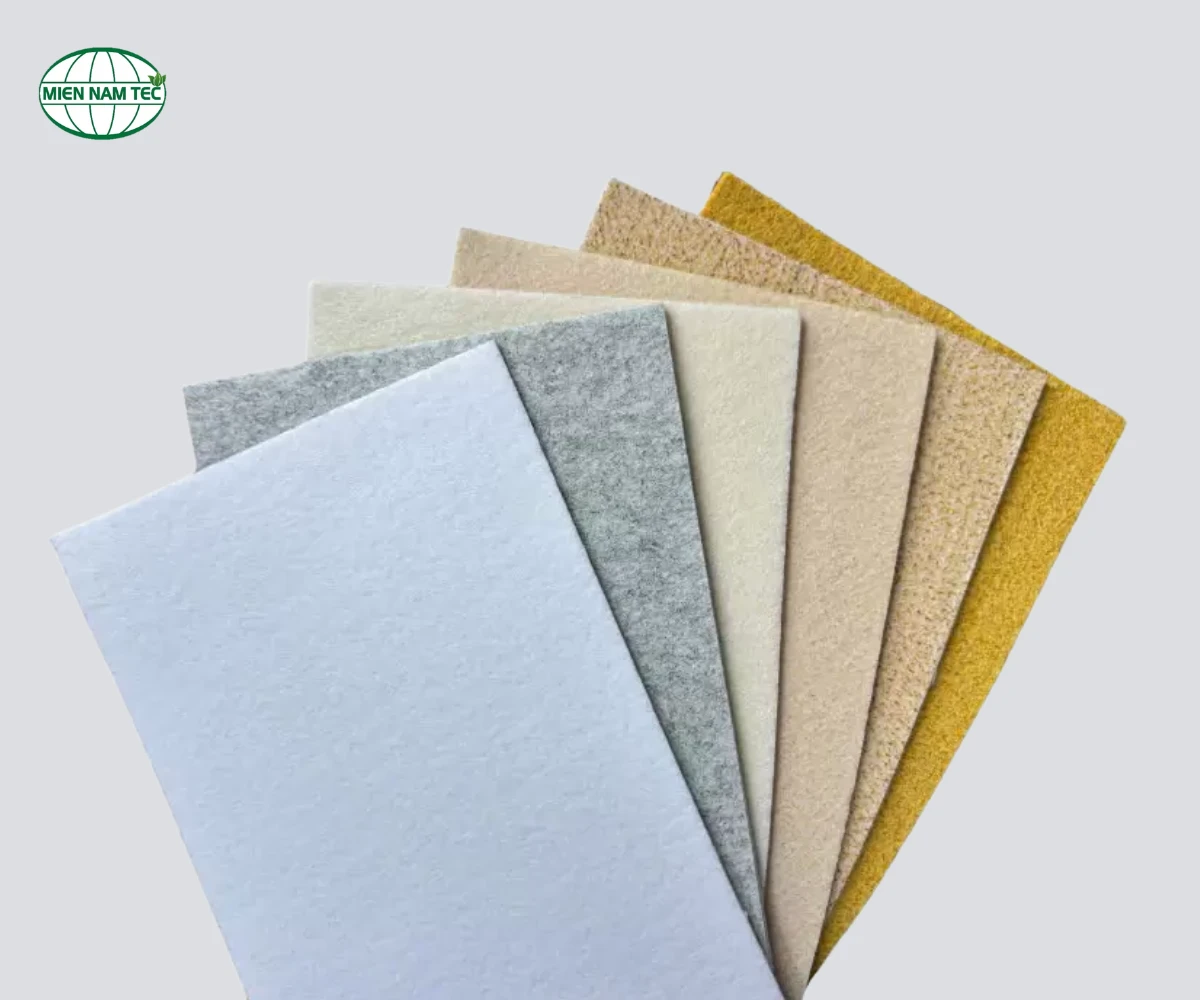
What is Dust Filter Fabric?
In essence, dust filter fabric is a type of engineered material woven or non-woven from specialized synthetic fibers, designed with specific physical and chemical structures to perform the function of separating solid dust particles from air streams or exhaust gases. This is not ordinary fabric, but a high-tech product serving as the ""lungs"" of industrial dust collection systems. Its primary function is to capture dust particles, from coarse particles visible to the naked eye to ultra-fine dust particles, ensuring exhaust air meets environmental safety standards and enabling recovery of valuable materials.
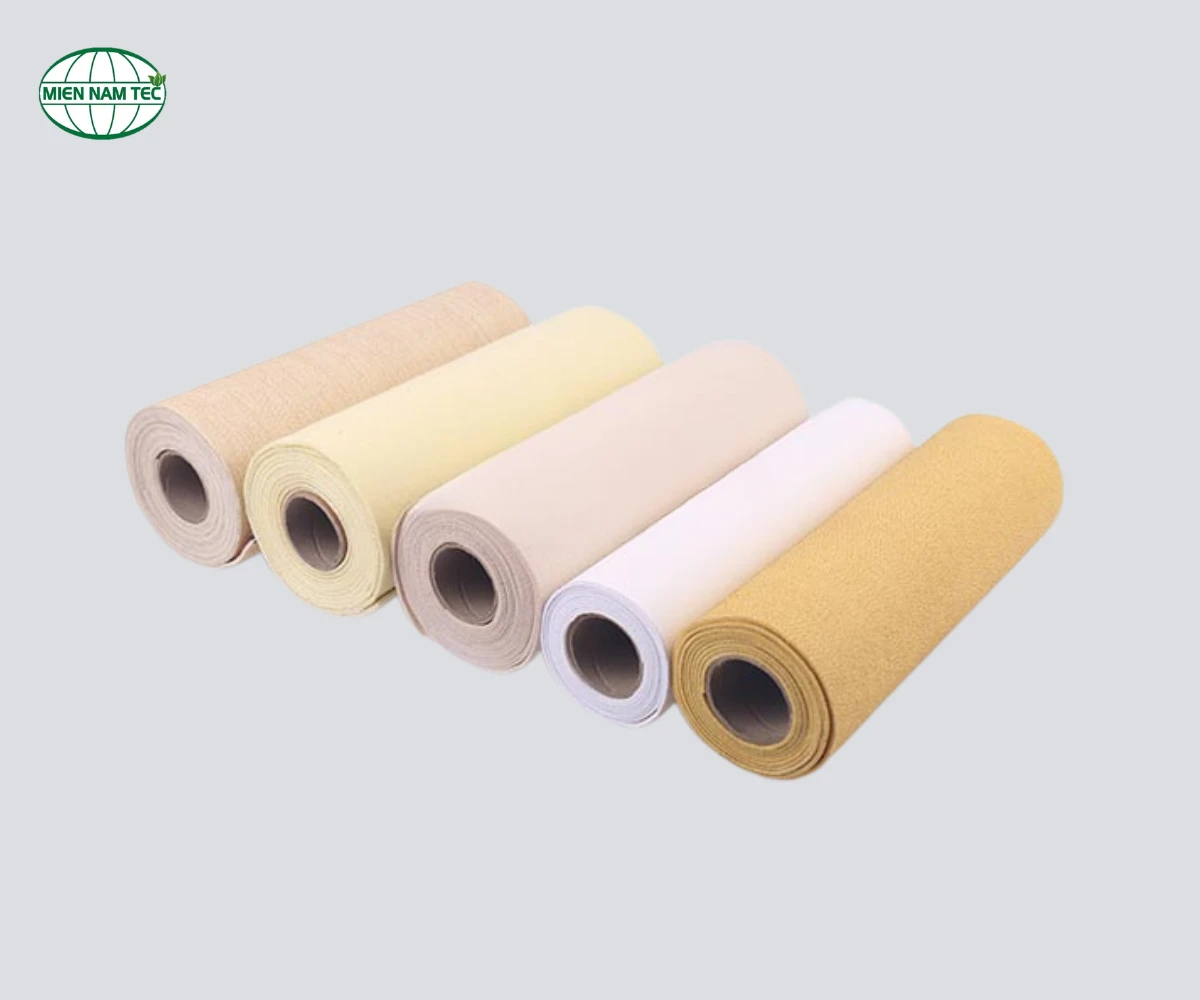
Most Common Types of Dust Filter Fabrics Currently Available
Today's market offers many different types of air filter fabrics, each optimized for specific operating conditions. Below are the most common and effective materials that Southern Filtration Equipment Technology regularly recommends and supplies to customers:
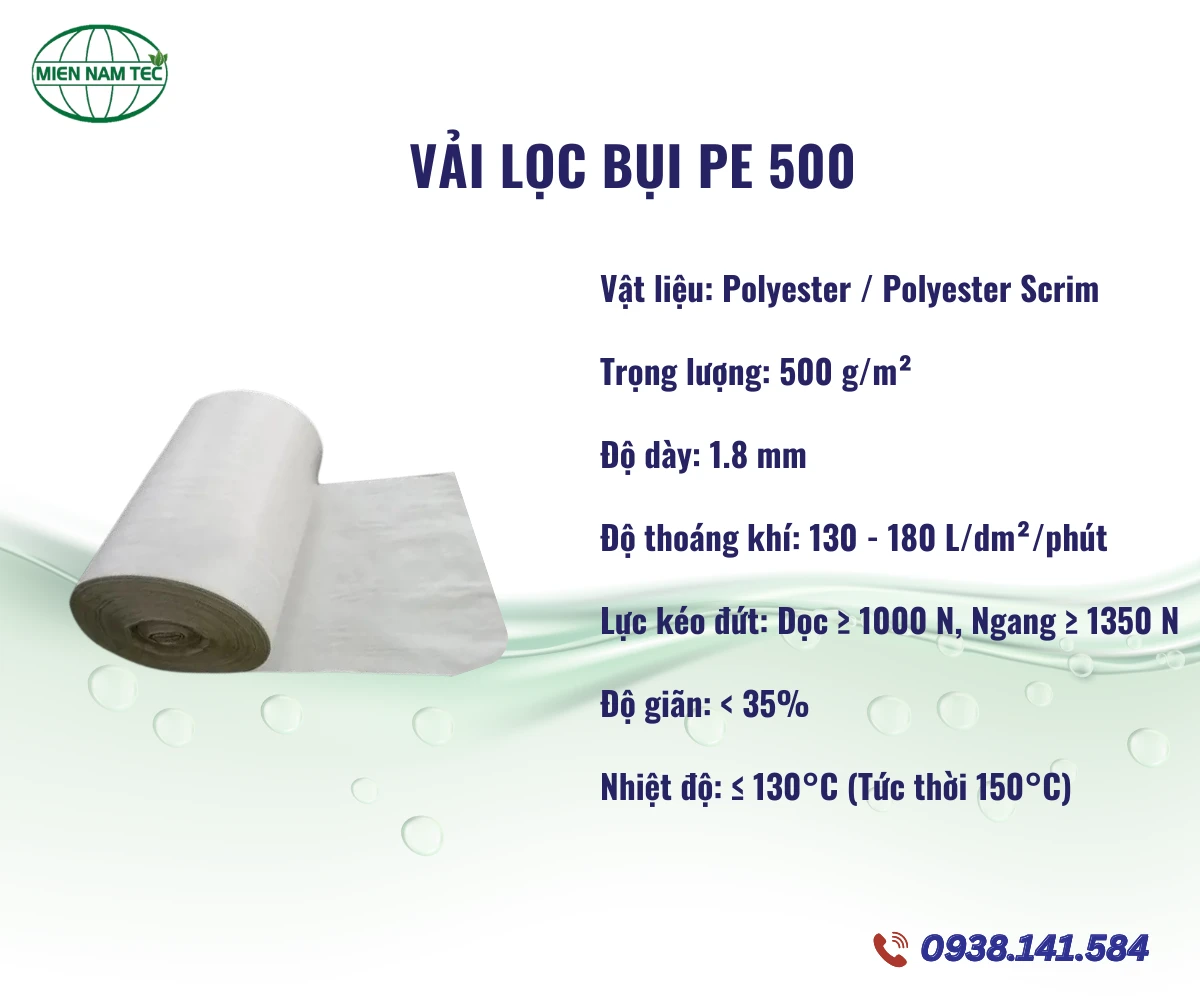
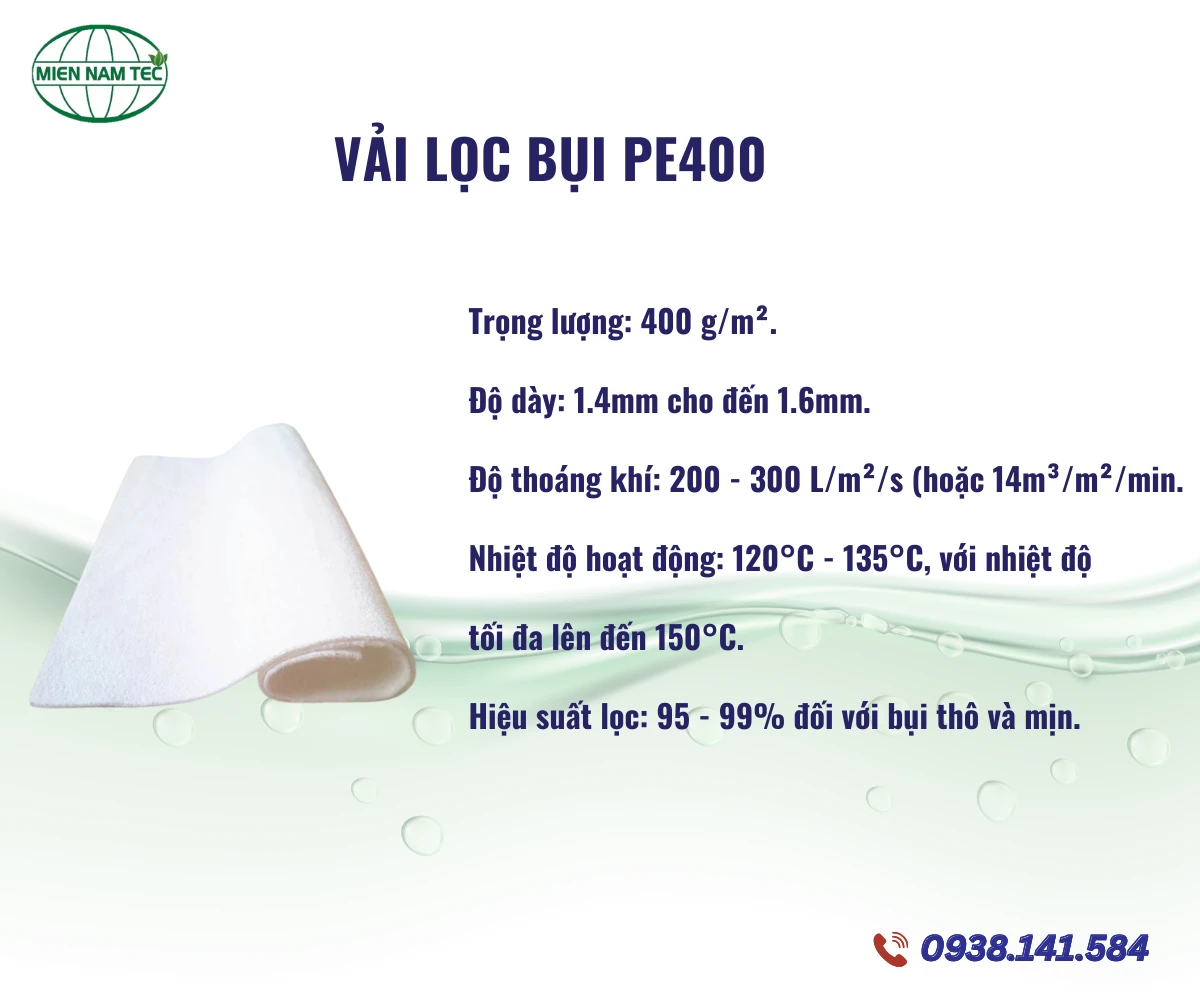
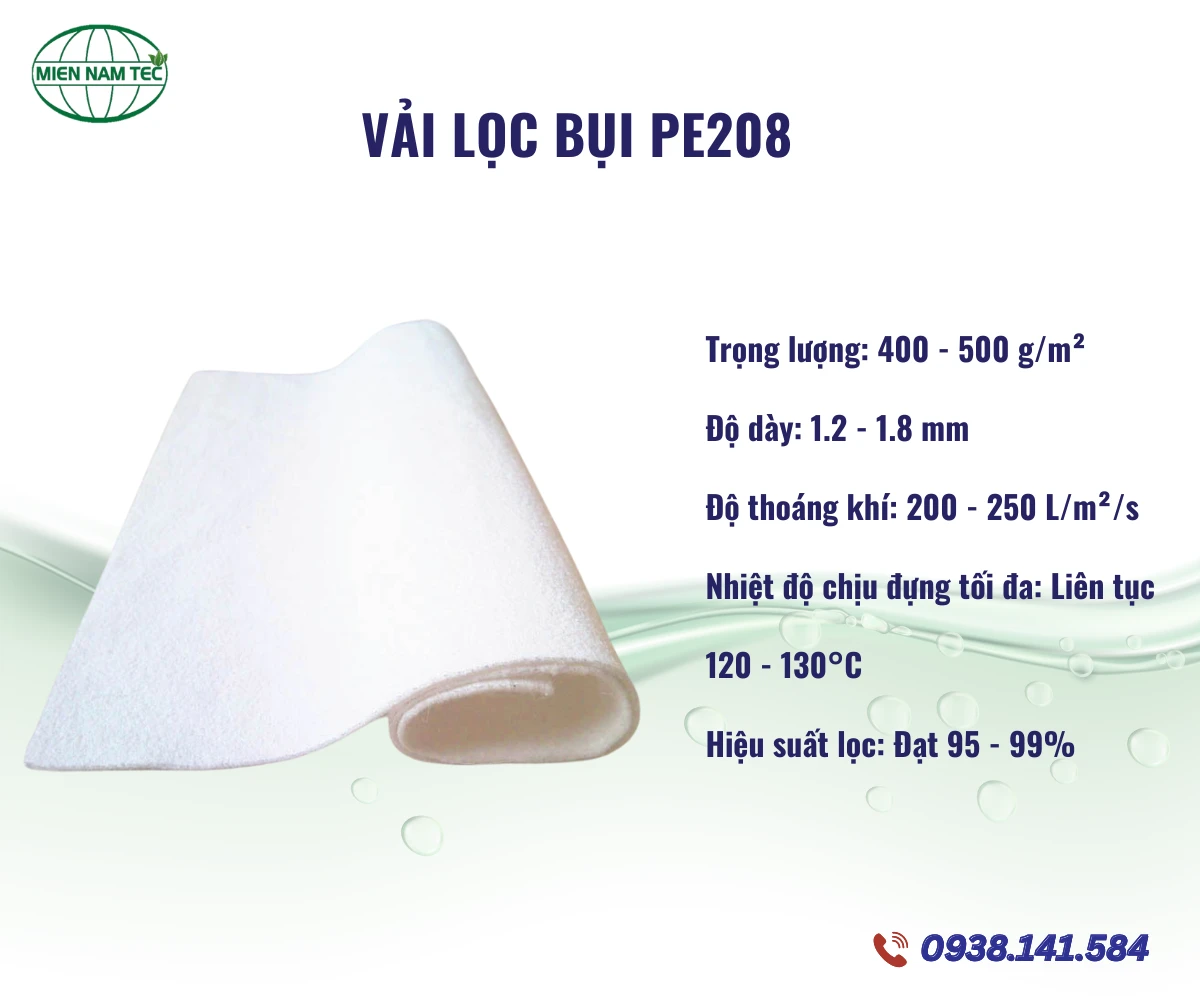
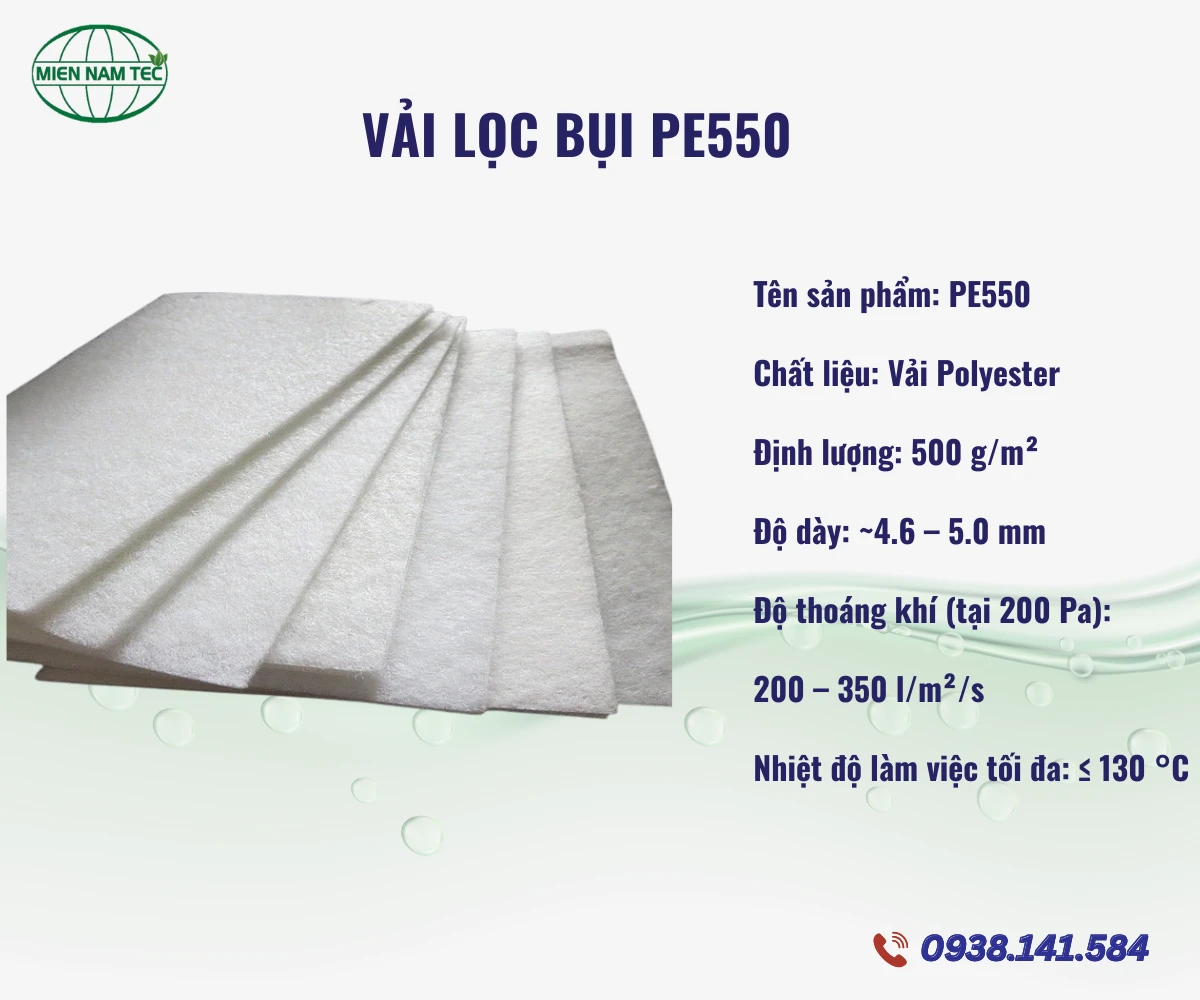
PE (Polyester) Dust Filter Fabric: This is the most common and economical material in the industry. Polyester fabric has high mechanical strength, good abrasion resistance, and operates stably in normal temperature environments.
Evidence: PE 500 is a typical example, capable of continuous operation at temperatures below 130°C and withstanding instantaneous temperatures up to 150°C. Due to its economy and effectiveness, it is widely used in industries that do not require high temperatures, such as cement plants (clinker cooling areas), livestock feed production facilities, and especially woodworking industries where large volumes of sawdust are generated.
Nomex (Aramid) Dust Filter Fabric: When temperature is a challenge, Nomex is the leading solution. Nomex is the trade name for Aramid fibers developed by DuPont, famous for superior high-temperature resistance.
Evidence: The molecular structure of Aramid fibers allows it to operate reliably at continuous temperatures up to 204°C-220°C. It does not melt and has excellent fire-resistance properties. Real-world examples include hot asphalt mixing plants, boiler rooms, metal smelting plants, and industrial waste incinerators—places where Nomex dust filter fabric is mandatory to ensure safe system operation without heat damage.
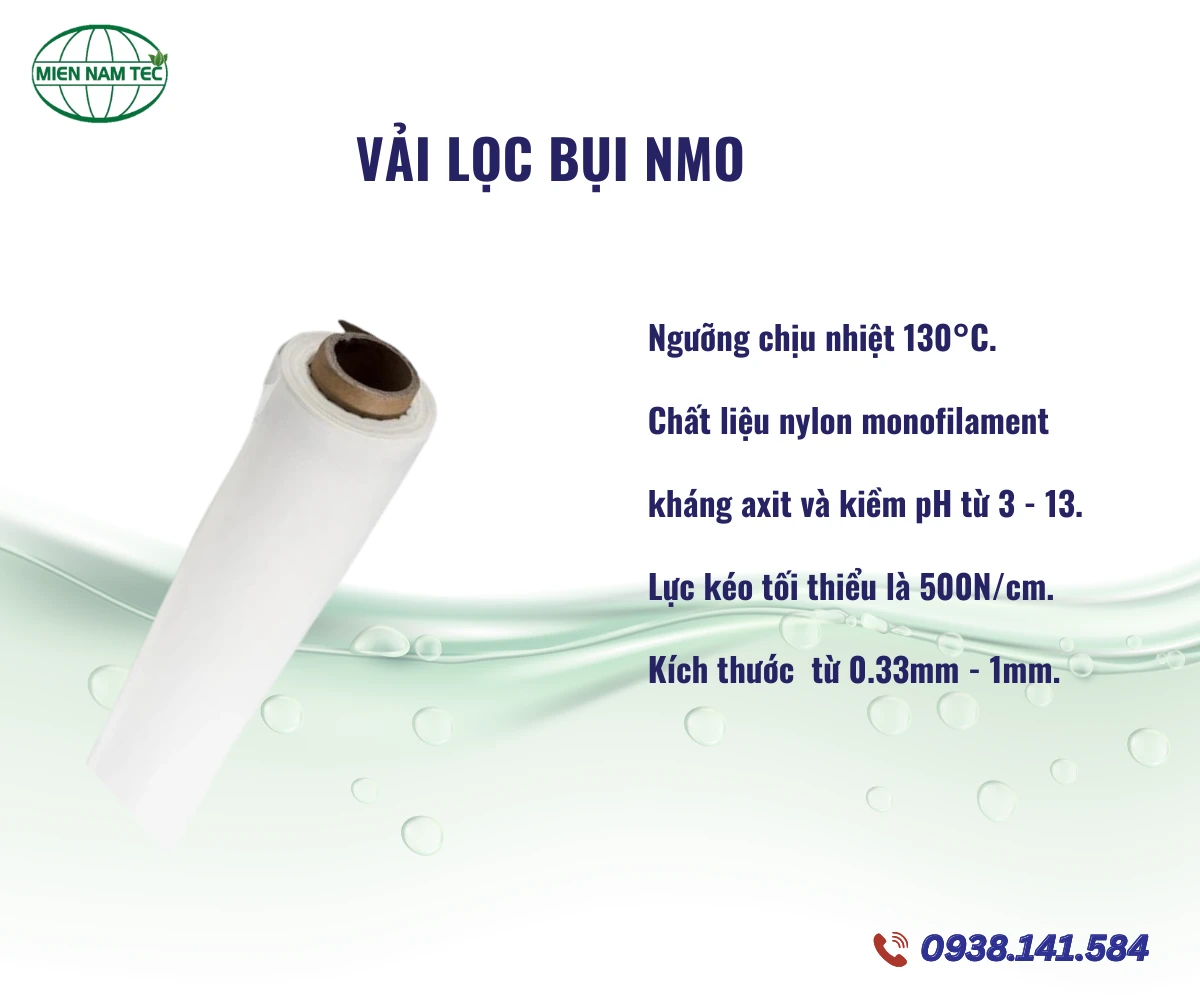
NMO (Nylon Monofilament) Dust Filter Fabric: NMO fabric has a unique structure made from monofilament nylon fibers creating a smooth surface with extremely uniform and precise filtration pore sizes. Although commonly known for liquid filtration, it also has important applications in air filtration.
Specific Example: In the food industry, NMO fabric is used to classify different flour particle sizes. Its smooth surface helps prevent adhesion and clogging, especially effective with dust having binding or moisture properties.
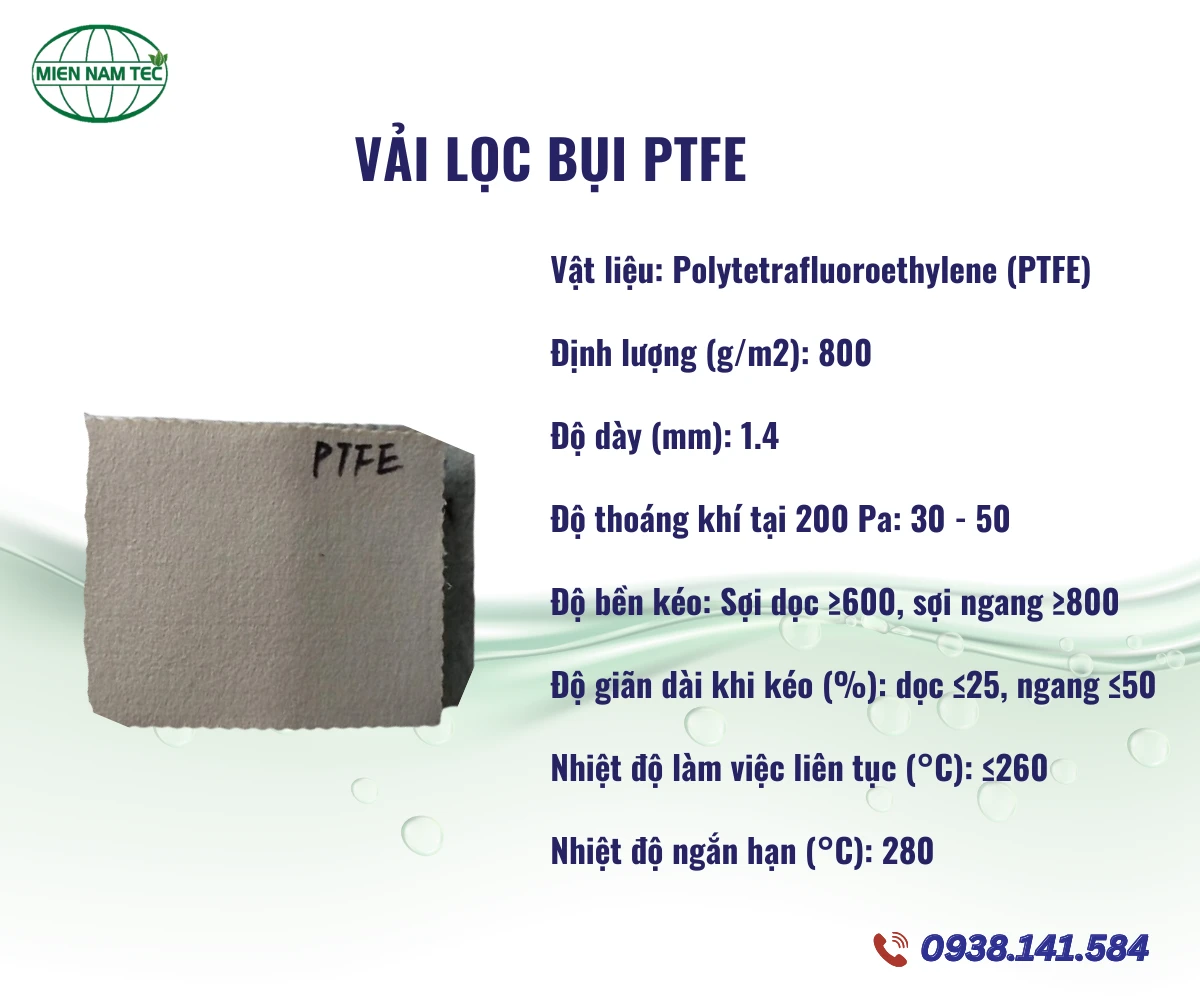
PTFE (Teflon) Dust Filter Fabric: PTFE, or Teflon, represents the pinnacle of dust filter fabric technology, possessing near-perfect characteristics: absolute chemical resistance, extreme heat resistance, and superior non-stick properties.
Evidence: PTFE can operate stably at continuous temperatures of 240°C and up to 260°C for short periods. It is completely inert to virtually all acids, bases, and solvents. Particularly, PTFE membrane can be engineered to create ultra-fine pores, making it the most effective fine dust filter fabric with the ability to capture dust particles of PM2.5 size. For example, medical waste incinerators or chemical plants where exhaust contains many corrosive compounds and requires extreme filtration performance, using PTFE fabric is the mandatory and most optimal solution.
The effectiveness of industrial dust filter fabric results not only from its physical structure but also from the combination of multiple complex filtration mechanisms occurring simultaneously:
Direct Sieving: Dust particles larger than the spacing between fabric fibers are retained on the surface, similar to a sieve.
Inertial Impaction: Heavy dust particles, moving by inertia, cannot quickly change direction with the air flow when passing through fabric fibers and directly impact the fiber surface.
Interception: Smaller dust particles follow the air stream and when passing close to the fiber surface, they are retained by surface attraction forces.
Diffusion: Ultra-fine particles (typically below 0.1 micrometer) undergo random motion (Brownian motion) in the air stream. This random movement increases the probability they will collide with and adhere to fabric fibers.
Dust Cake Filtration: This is the most important mechanism. After operating for some time, a layer of dust accumulates on the fabric surface, forming a ""dust cake."" This dust cake becomes an extraordinarily effective secondary filtration layer, capable of retaining dust particles much smaller than the original fabric pore size.
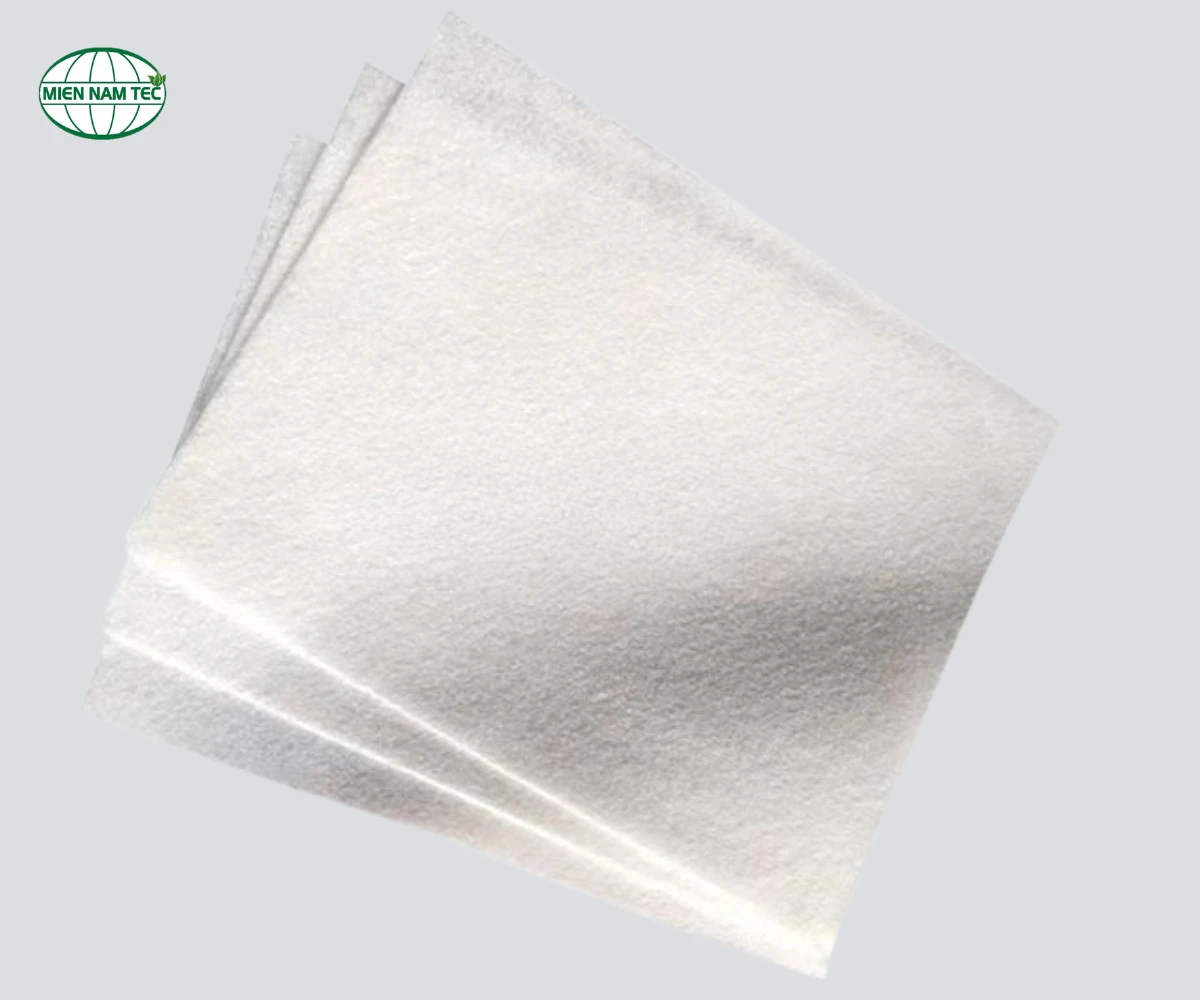
Applications of Air Filter Fabric in Industry
Thanks to diverse material options and capabilities, air filter fabric is an indispensable component in many industrial sectors:
Selecting wrong dust filter fabric can lead to serious consequences: reduced filtration performance, system clogging, high operating costs, and even fire hazards. To make the correct decision, customers need to consider the following factors:
Operating Temperature: Determine the maximum and continuous operating temperature of the gas stream.
Chemical Composition: Does the gas stream contain acids, bases, solvents, or other corrosive substances?
Moisture Level: High humidity can cause dust to stick together, blocking fabric surface.
Particle Size and Concentration: Need to filter coarse or fine dust? High or low dust concentration?
Abrasive Properties of Dust: Do particles have sharp edges and high hardness? (for example, silica dust, metal dust).
Filtration Performance Requirements: Which exhaust air standards must be met?
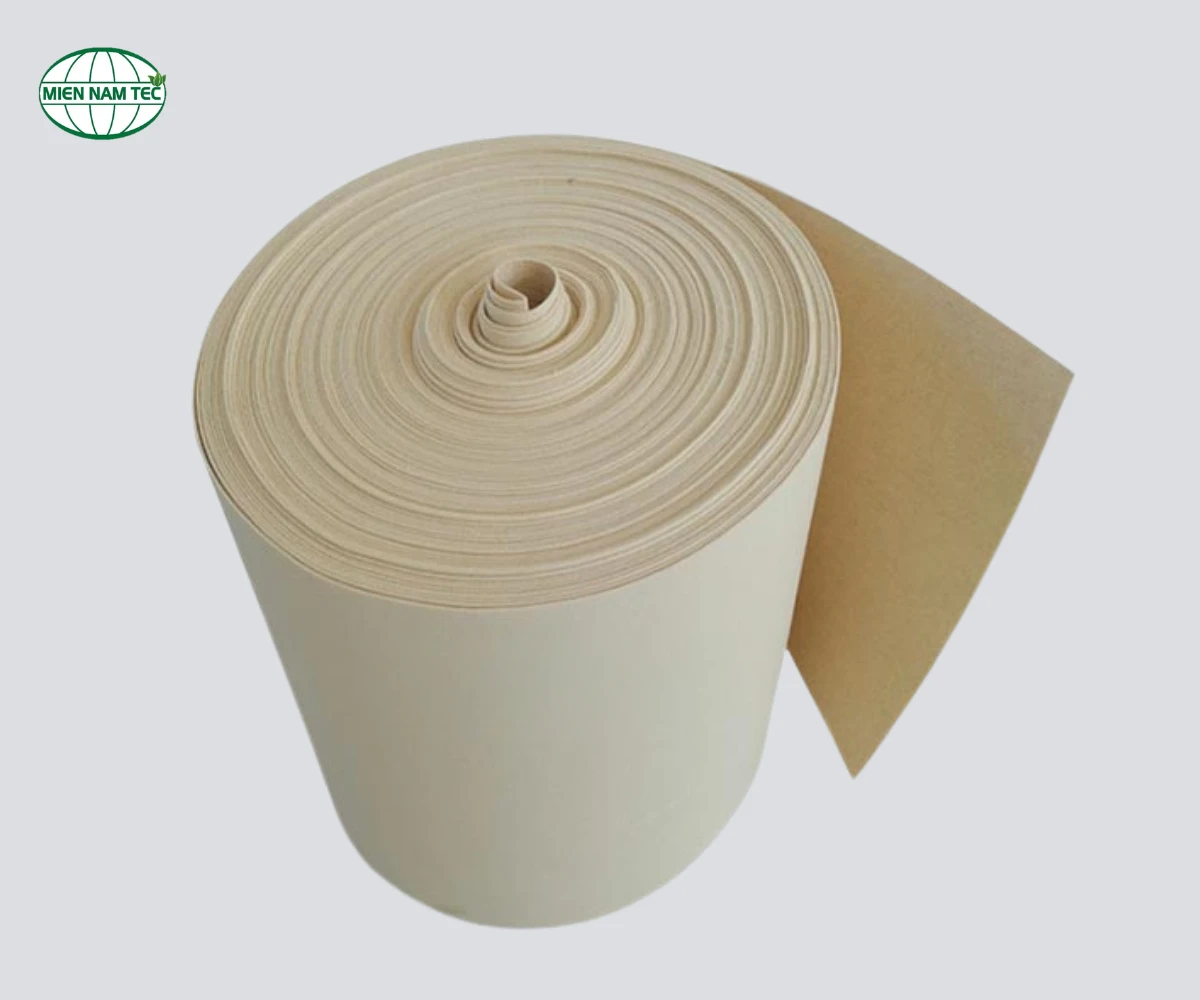
Where to Buy Industrial Dust Filter Fabric at Good Prices?
Searching for an industrial dust filter fabric supplier is not just about price comparison. A reliable partner must have sufficient expertise to advise on solutions, enough experience to understand your industry's specifics, and enough reputation to guarantee product quality.
At MIEN NAM FILTER CO., LTD, we do not just sell products—we provide solutions. With a team of experienced engineers, we proudly serve as a leading unit in consulting, designing, and supplying high-quality dust filter fabrics perfectly suited to each customer's specific requirements.
Investing in the right type of dust filter fabric is a strategic decision directly affecting your production efficiency, operating costs, and environmental responsibility. We hope the detailed analysis above has given you a solid foundation of knowledge to make the optimal choice.
To learn more about maintaining dust filtration systems or comparing different dust filtration technologies in detail, we invite you to review other articles on our website. If you have any questions, do not hesitate to contact MIEN NAM FILTER CO., LTD experts to receive the most dedicated and professional consultation.
__________________________
𝑪𝒐̂𝒏𝒈 𝑵𝒈𝒉𝒆̣̂ 𝑻𝒉𝒊𝒆̂́𝒕 𝑩𝒊̣ 𝑳𝒐̣𝒄 𝑴𝒊𝒆̂̀𝒏 𝑵𝒂𝒎 - 𝑮𝒊𝒂̉𝒊 𝑷𝒉𝒂́𝒑 𝑪𝒉𝒐 𝑯𝒆̣̂ 𝑻𝒉𝒐̂́𝒏𝒈 𝑳𝒐̣𝒄
📞 0938.141.584 hoặc 0902710518
📩 miennamfilter@locmiennam.com
🔴 Youtube: Công Nghệ Thiết Bị Lọc Miền Nam
🔵 Facebook: CTy TNHH Công Nghệ Thiết Bị Lọc Miền Nam
⚪ Zalo OA: Công nghệ thiết bị lọc Miền Nam
⚫ Tiktok: CN Thiết Bị Lọc Miền Nam
🟢 LinkedIn: MIEN NAM FILTER