


Coarse Air Pre-Filter Frames
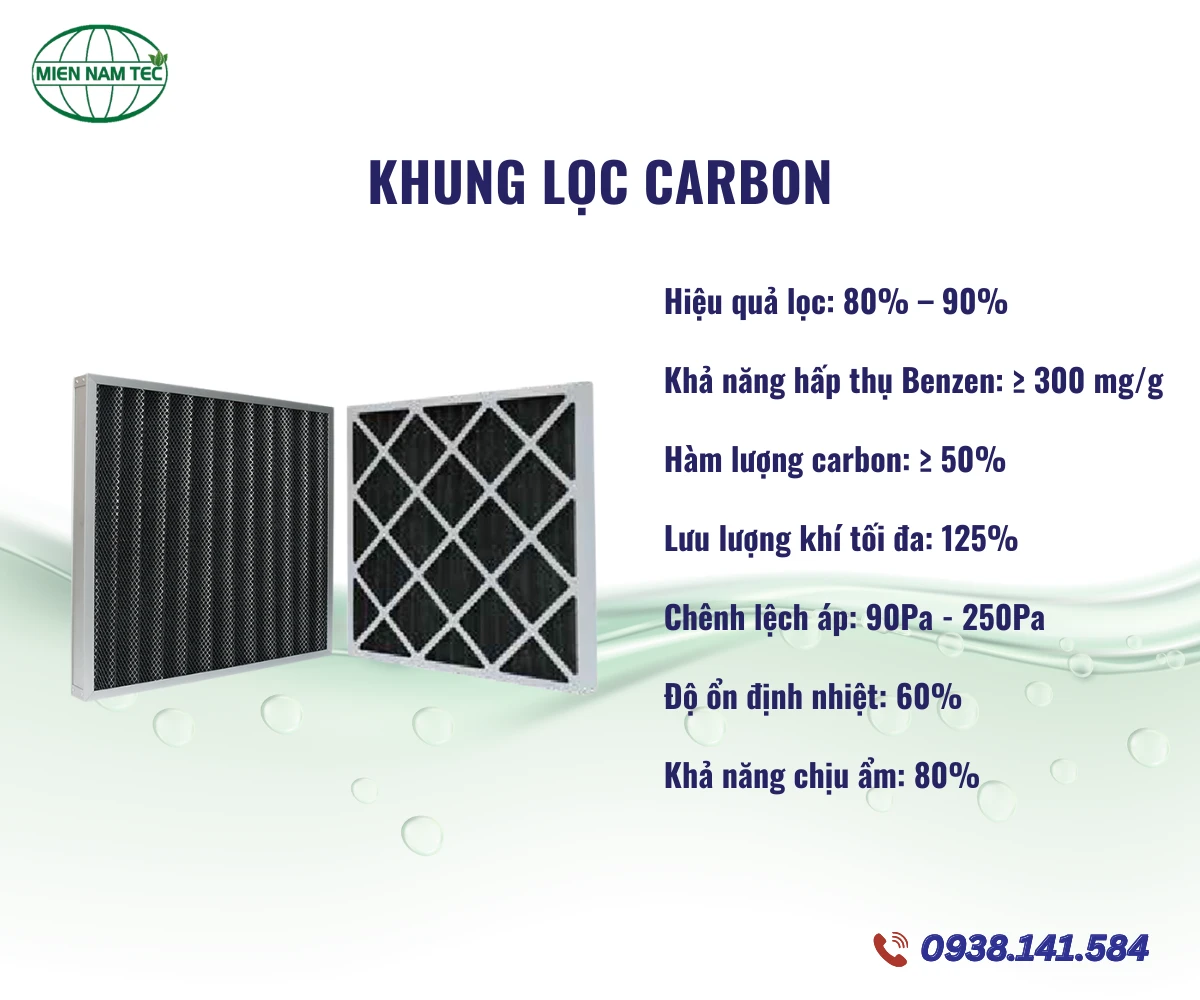
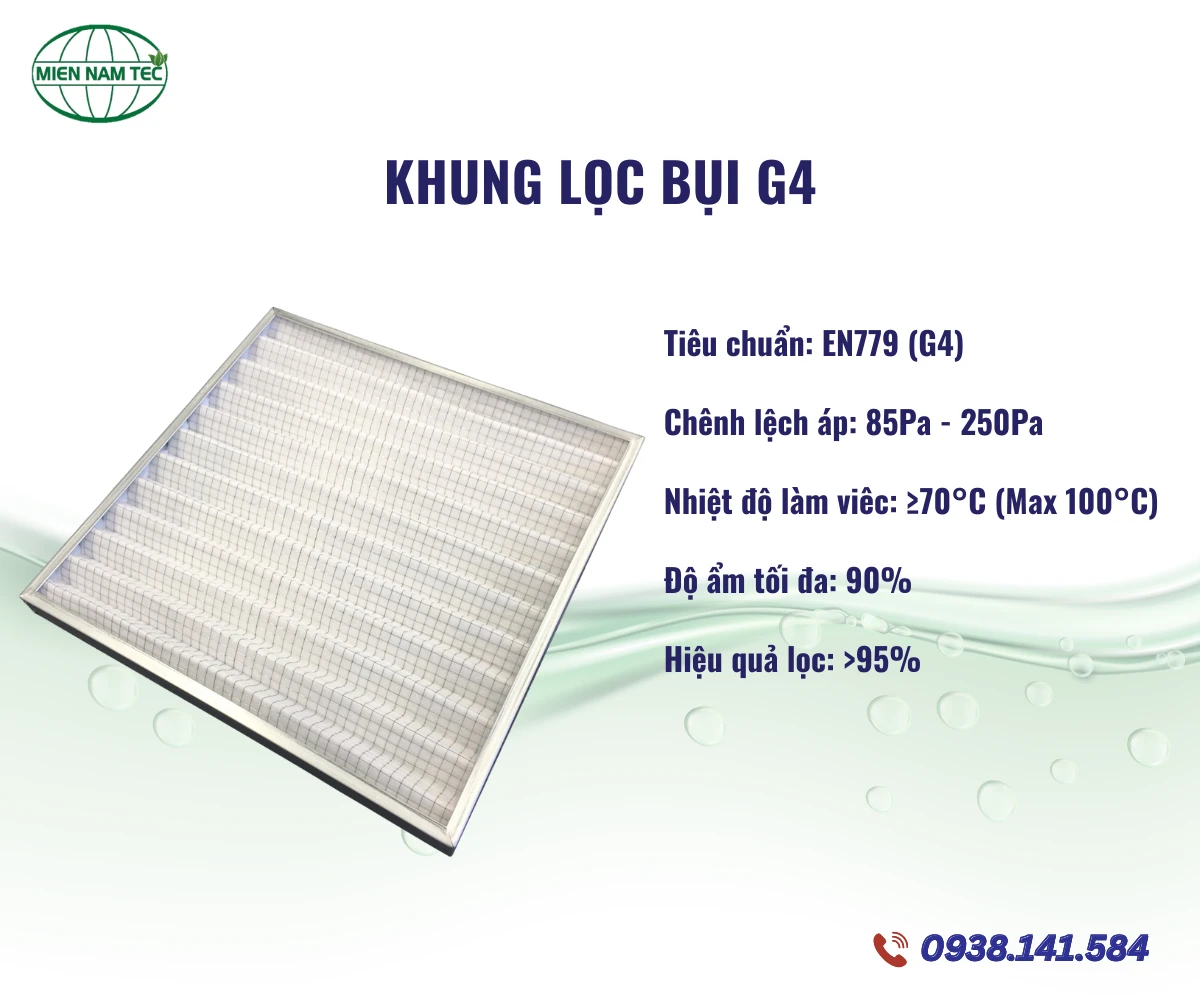
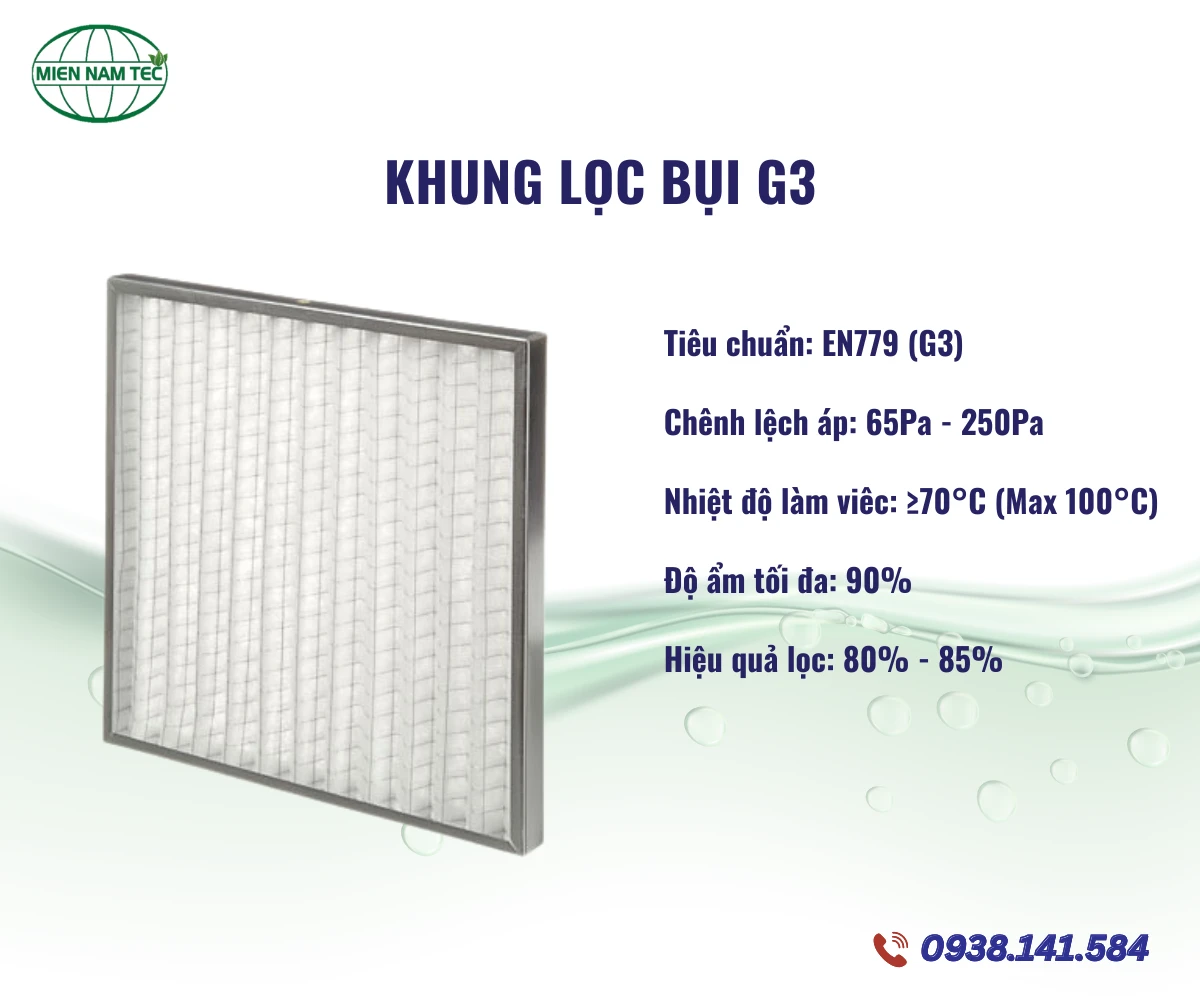
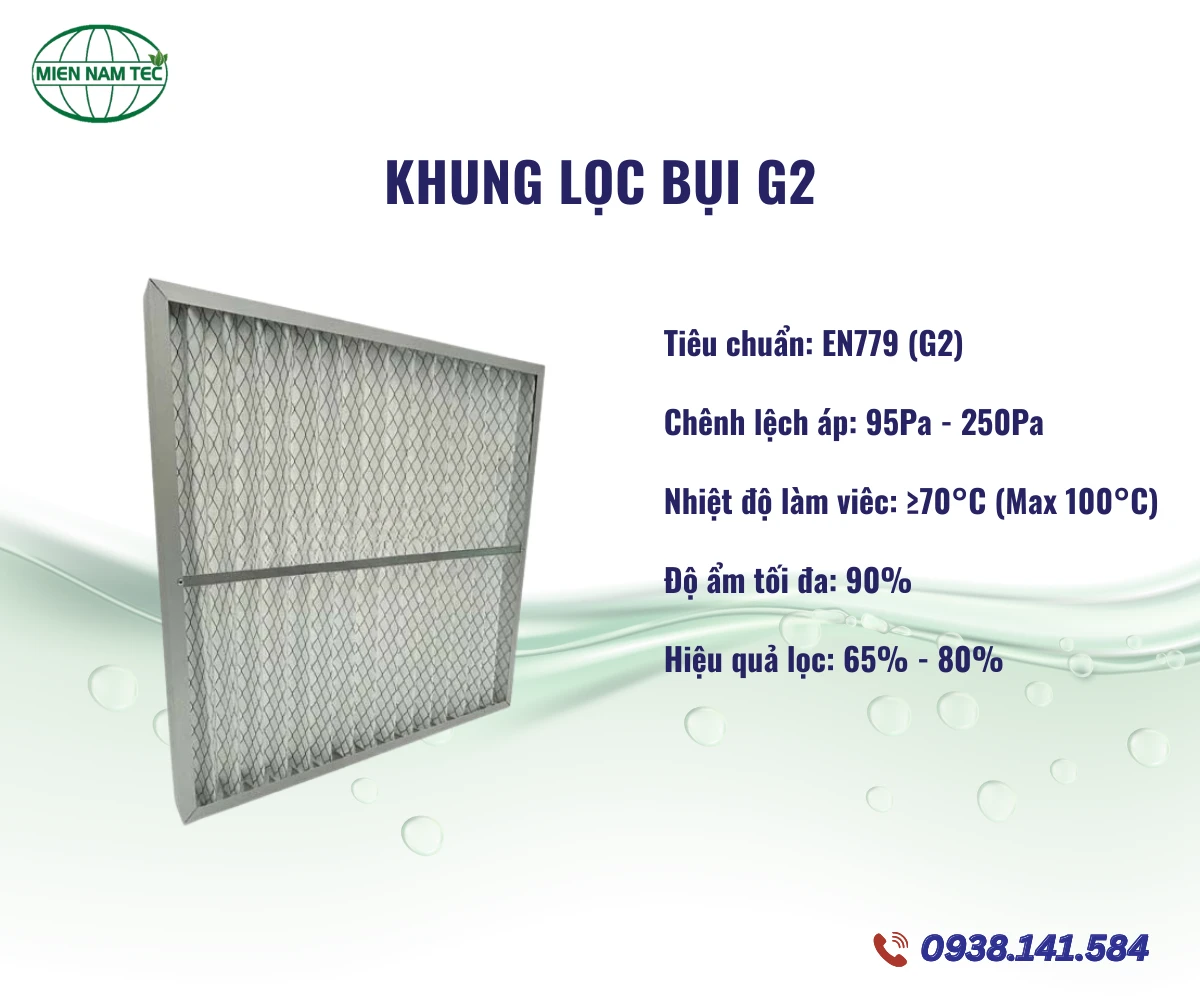
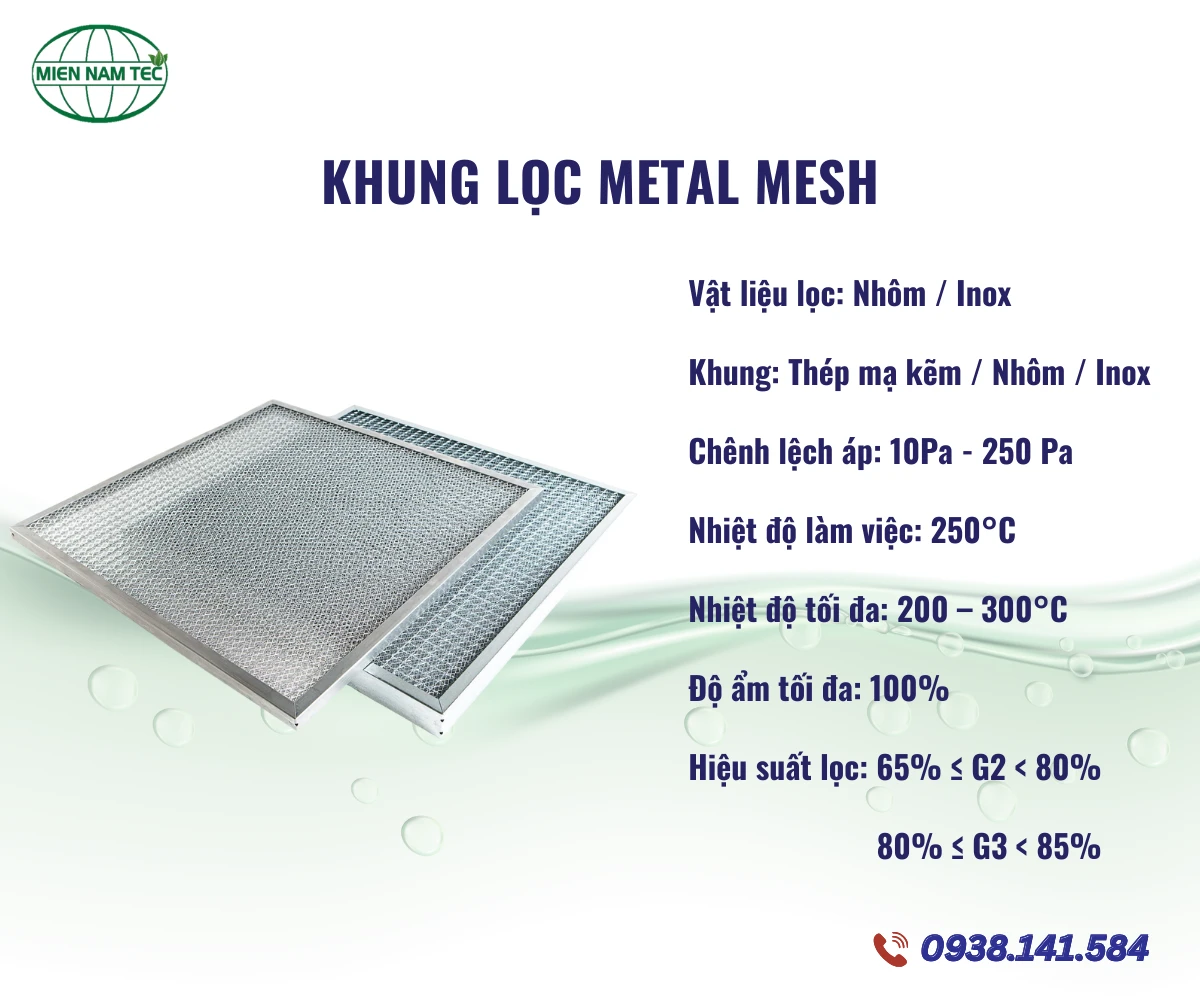
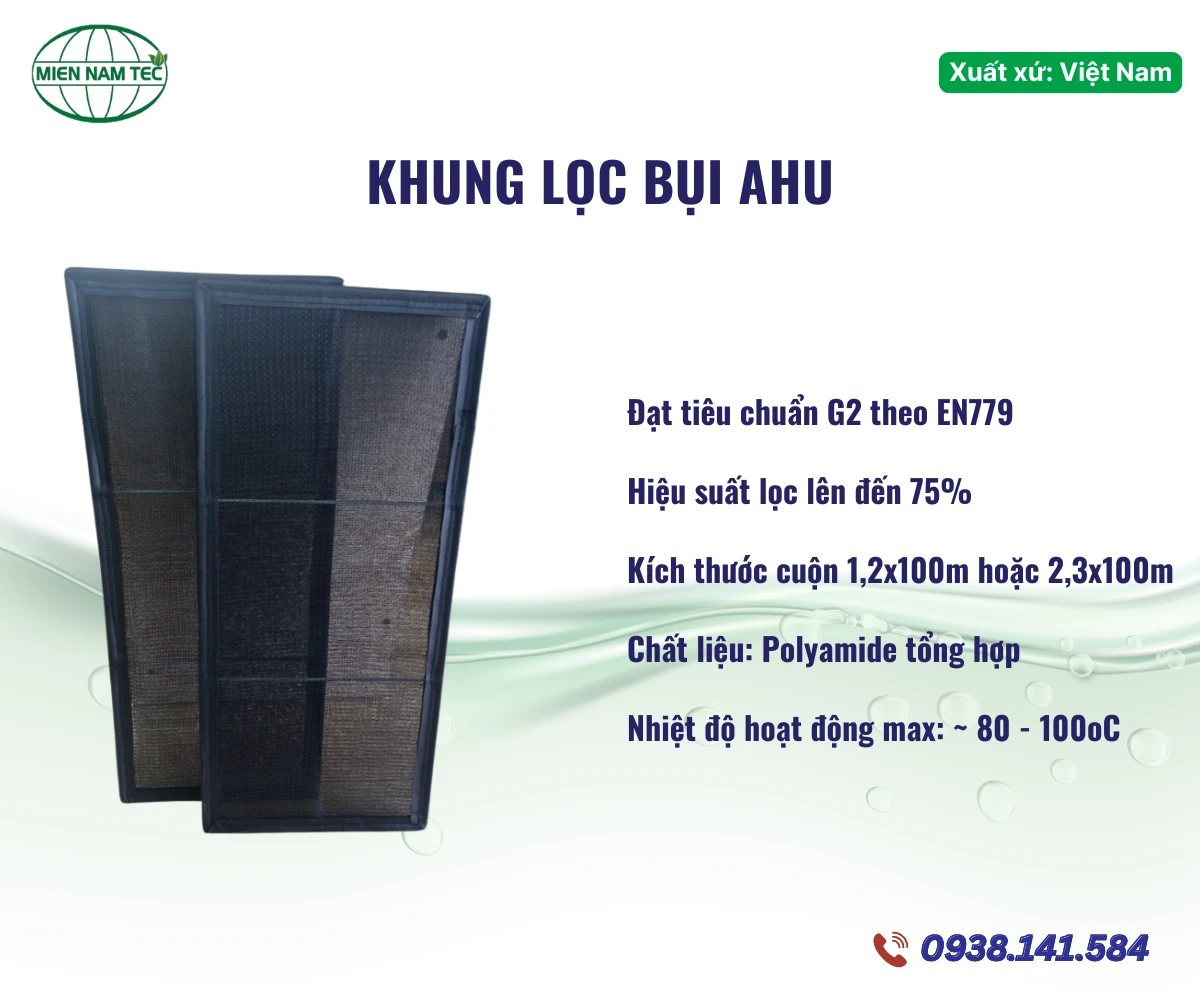
Do you know why many air filtration systems deteriorate rapidly despite using expensive HEPA membranes? The answer usually lies in the lack of or incorrect choice of coarse filter membrane. This article will help you clearly understand what a coarse filter membrane is, its structure, classification, advantages and disadvantages, and proper maintenance methods to optimize filtration efficiency and operating costs. Follow along to discover the details right below.
What is coarse filtration?
In a multi-stage air filtration system, the coarse pre-filter membrane (also called the primary filter or pre-filter) is the filter layer placed at the outermost position, where air enters first. Its primary function is not to filter ultra-fine particles, but to serve as a loyal "gate keeper," blocking all large-sized contaminants visible to the naked eye.
Basically, it functions like a sieve, allowing air to pass through while retaining dust particles larger than 10 micrometers.
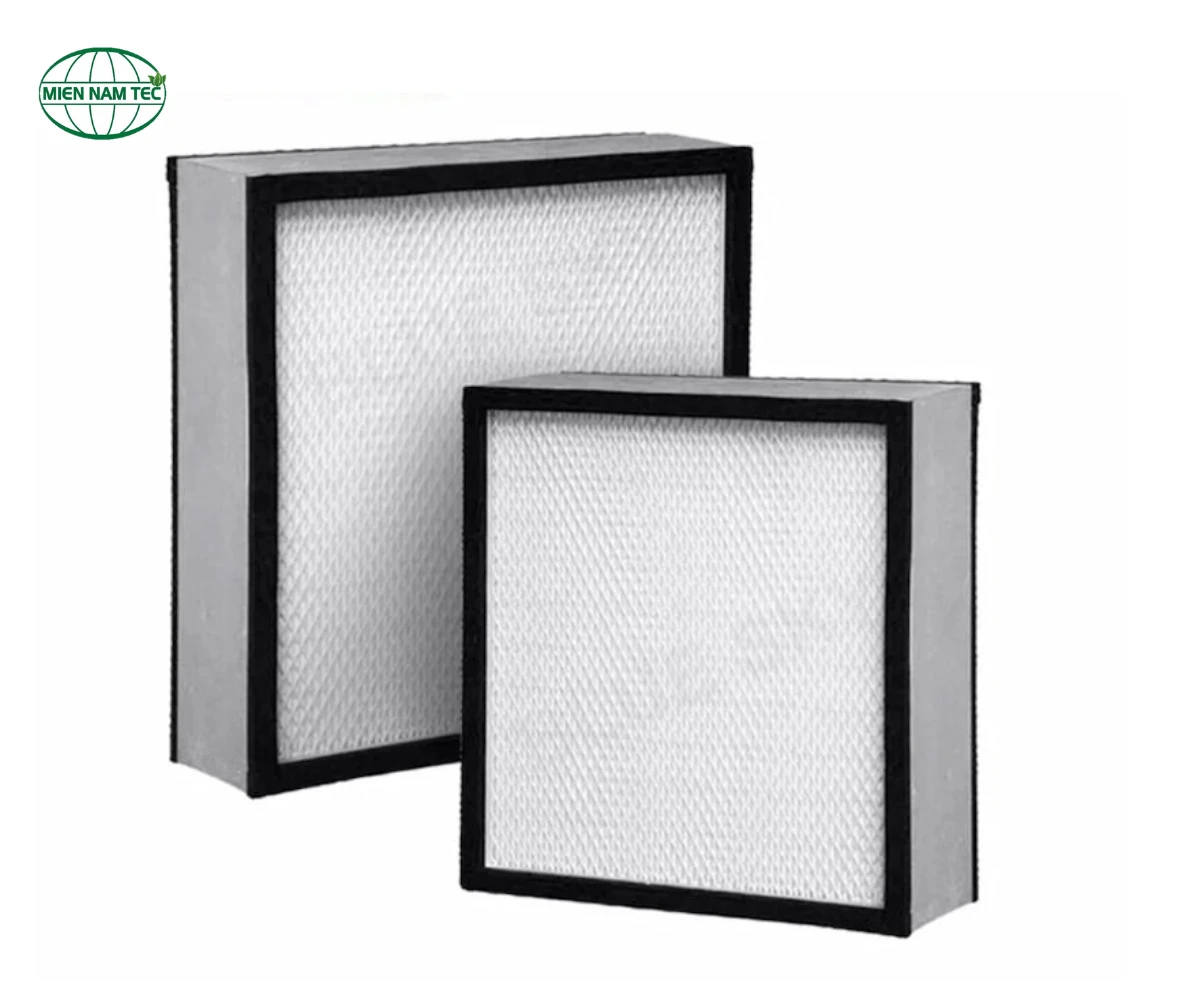
The second important function, and also the reason it is irreplaceable, is protecting the expensive and sensitive filter layers behind it such as HEPA membranes or activated carbon filters. Without the coarse pre-filter, fine filters will quickly become clogged by large dust particles, leading to reduced filtration efficiency, increased air resistance, wasted energy, and most importantly, dramatically reducing lifespan and causing replacement costs to soar.
On the market, coarse air filters are manufactured in many designs, but the most common and effective are two main types: flat and pleated. The choice between these two types depends on performance requirements, installation space, and system budget.
2.1. Flat Type
Flat-type coarse dust filter frame
This is the most basic design, consisting of a frame (usually aluminum, galvanized steel, or cardboard) and a flat filter material layer spread evenly inside. The filter material is usually synthetic fiber, dust filtration cotton, or metal mesh.
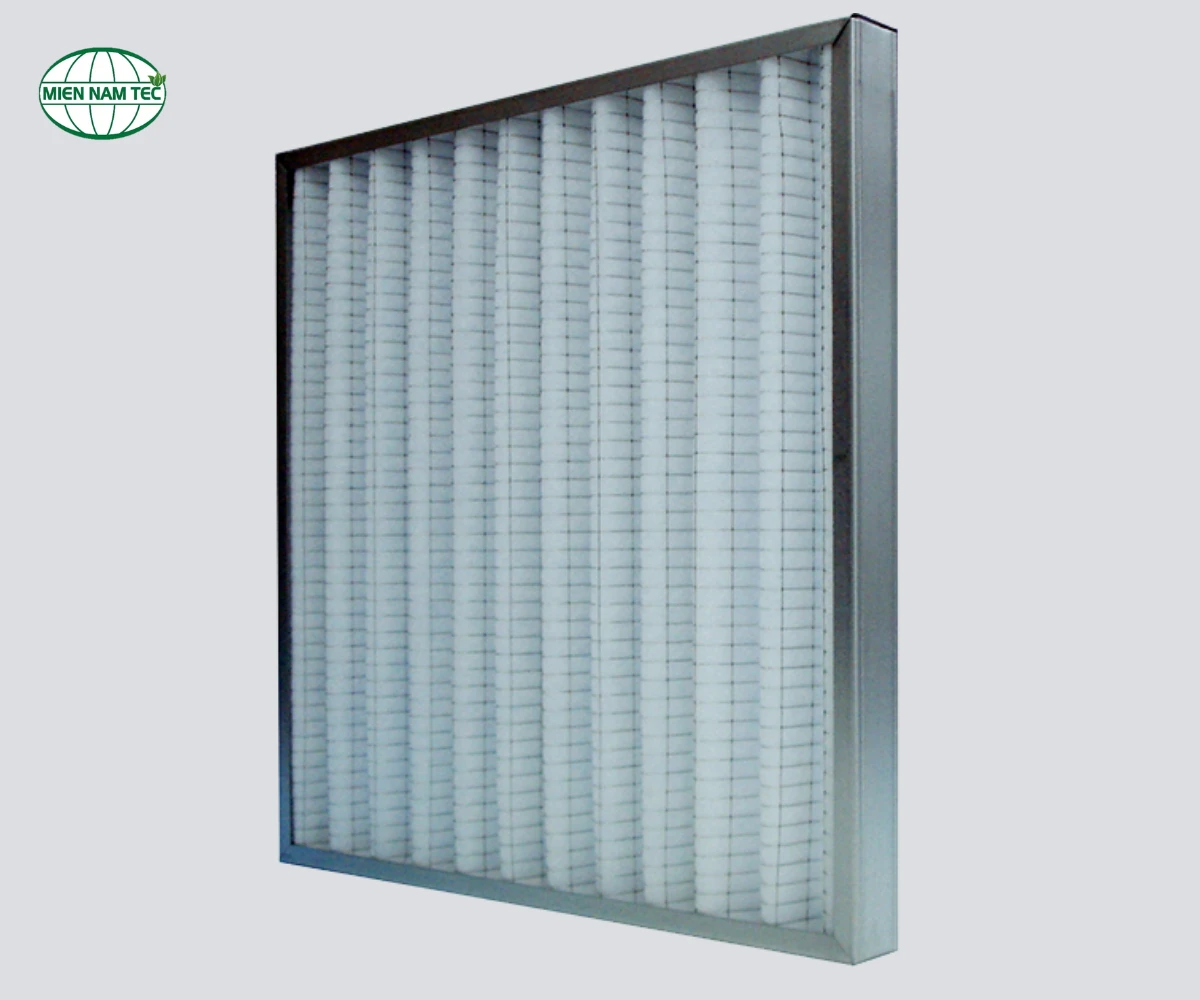
Corrugated coarse dust filter frame
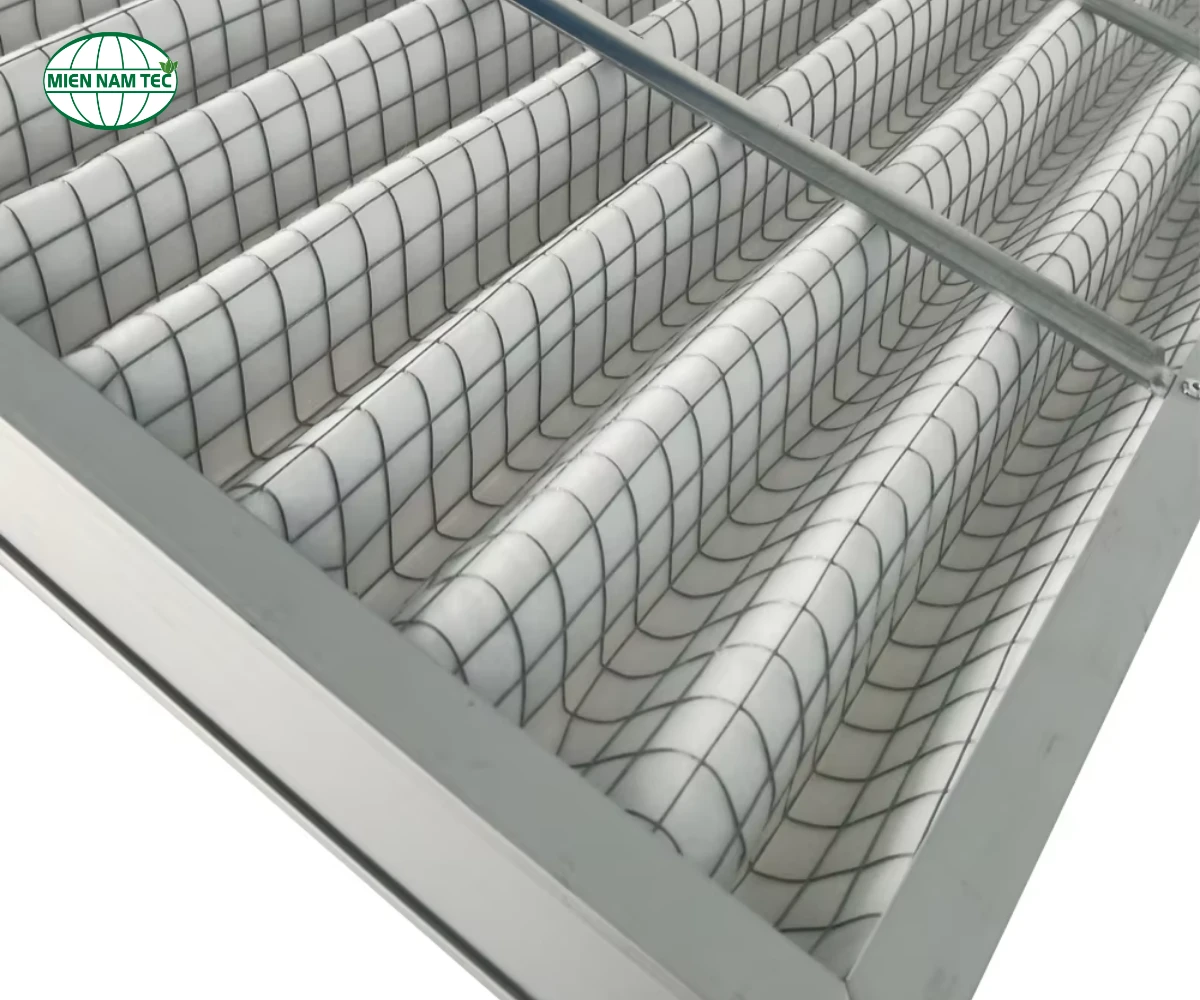
This is the most preferred and widely used design today, especially in industrial HVAC (Heating, Ventilation and Air Conditioning) systems and AHU (Air Handling Units). The filter material is folded into many V-shaped pleats, then firmly secured within the frame.
Thus, pleated coarse air filter membranes are the optimal choice for most applications from commercial to heavy industrial.
3. Advantages and Disadvantages of Coarse Filter Frames
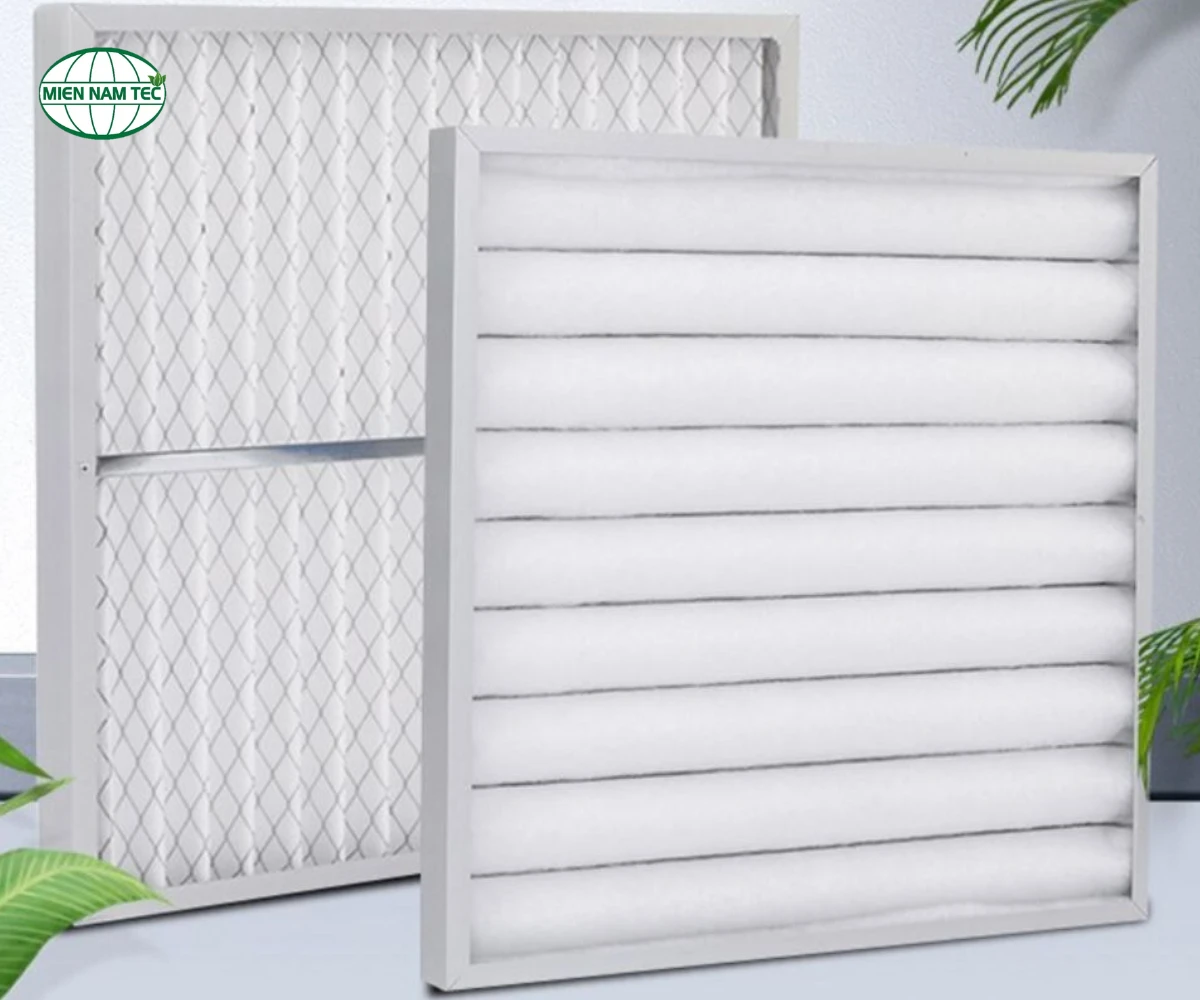
Advantages and disadvantages of coarse filter frames
To make accurate investment decisions, you need to clearly understand the advantages and disadvantages of this product.
Advantages:
Disadvantages:
4. Coarse Filter Replacement Time and Maintenance Methods
The lifespan of a coarse filter can be "lifetime" for the frame portion, but not for the internal filter material. Regular maintenance is a determining factor for system performance and durability.
Maintenance Methods:
For washable filters (metal mesh, nylon mesh): Remove the filter from the frame. Use a gentle water spray to remove dirt. You can use a soft brush and mild detergent solution for thorough cleaning.
For non-washable filters (synthetic fiber): Never use water. Use a low-powered vacuum to thoroughly remove dust accumulated on the surface. Washing will destroy the fiber structure and lose filtration capability.
Replacement Time: When the filter shows signs of tearing, deformation, or cannot be cleaned after multiple attempts, it is time to replace it. Typically, filter material should be replaced after about 3-6 months in a highly polluted environment or 6-12 months in a cleaner environment.
5. Where to Buy Coarse Air Filter Membranes?
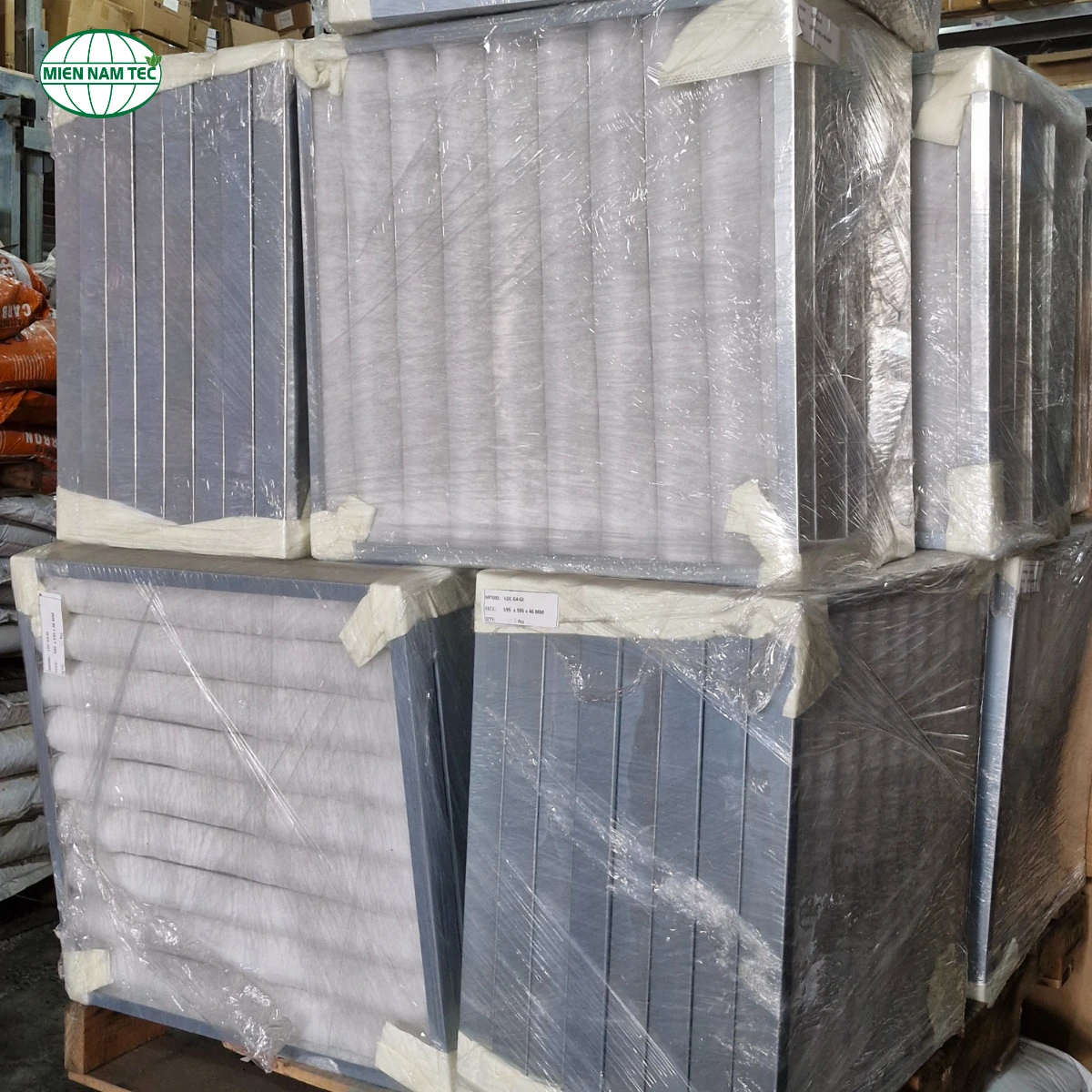
Where can I buy air pre-filters?
After understanding the importance and technical specifications, selecting a reputable supplier is the final and most important step. As an expert in the industry, Southern Filtration Equipment Technology is proud to be a trustworthy address where you can place your complete confidence.
We do not only provide products, we deliver solutions. When choosing us, you will receive:
In summary, coarse pre-filter membranes are not an accessory but a solid foundation determining the effectiveness and operating cost of the entire air filtration system. Making the right investment in this first layer of filtration is the wisest way to protect valuable components downstream and ensure high-quality output air.
Southern Filtration Equipment Technology is always ready to accompany you. For more detailed consultation on dust and air filtration solutions, please contact us directly. You can also refer to our in-depth articles on HEPA filters and other advanced filtration technologies on our website.
𝑪𝒐̂𝒏𝒈 𝑵𝒈𝒉𝒆̣̂ 𝑻𝒉𝒊𝒆̂́𝒕 𝑩𝒊̣ 𝑳𝒐̣𝒄 𝑴𝒊𝒆̂̀𝒏 𝑵𝒂𝒎 - 𝑮𝒊𝒂̉𝒊 𝑷𝒉𝒂́𝒑 𝑪𝒉𝒐 𝑯𝒆̣̂ 𝑻𝒉𝒐̂́𝒏𝒈 𝑳𝒐̣𝒄
📞 0938.141.584 hoặc 0902710518
📩 miennamfilter@locmiennam.com
🔴 Youtube: Công Nghệ Thiết Bị Lọc Miền Nam
🔵 Facebook: CTy TNHH Công Nghệ Thiết Bị Lọc Miền Nam
⚪ Zalo OA: Công nghệ thiết bị lọc Miền Nam
⚫ Tiktok: CN Thiết Bị Lọc Miền Nam
🟢 LinkedIn: MIEN NAM FILTER